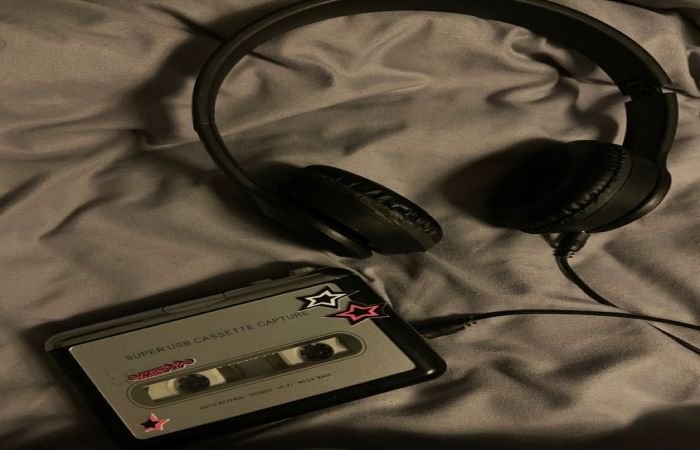
How Music Can Change Our Minds — and Not Always for the Better

Music is everywhere. In our phones, outside, and even our thoughts. We play it while studying, walking, or trying to escape silence. Because it feels harmless, we rarely question its influence. But constant exposure to music, especially without limits, can quietly affect the mind, emotions, and behavior in ways we don’t notice at first.
Music has power. That’s a lot of people don’t know about it— it’s psychology. Repeated sounds and lyrics sink into the brain through habit. When someone listens to the same songs every day — anger, sadness, obsession, or emptiness — the brain slowly adapts to that emotional tone. Over time, this can shape how a person reacts to the world, how they process feelings, and even how they see themselves.
Another issue is emotional dependence. Many people can’t function without music playing in the background. Silence feels uncomfortable, even threatening. This constant noise blocks self-reflection. Instead of dealing with thoughts or emotions, music becomes a way to avoid them. That avoidance doesn’t solve anything; it only delays it.
Excessive music also affects focus and mental clarity. Studying or working while listening to music might feel productive, but the brain is still multitasking. Lyrics compete with thoughts. Attention becomes fragmented. Over time, this weakens concentration and makes deep thinking harder, especially for young people whose brains are still developing.
There’s also the social side. Spending hours isolated with headphones can slowly reduce real interaction. Music becomes a private world that replaces conversation, connection, and presence. Shyness can grow, not because someone is naturally shy, but because they are used to hiding behind sound instead of facing people and situations.
This doesn’t mean music is evil or should be erased from life. The problem is excess and unawareness. When music controls mood instead of supporting it, when silence feels impossible, or when lyrics start shaping identity, it’s time to pause.
Silence is not empty. It’s where thinking happens.
Comment
Yelena Chebheb
I love the fact that you are telling us informations and making us aware that even if we like music it's not good to stop meeting people to stay by your side alone with headphones to listen to music. Continue that way if you want to post more Blogs, you're doing great.

Sara Laouari
Spot on! I never realized how much lyrics and heavy emotional beats could quietly shape our mood over time through habit. Using headphones to escape social situations is also a huge trap a lot of us fall into. This post is a great reminder to unplug, ✨️embrace the silence✨️, and give our brains a break🍃.
Anais Lamri
I really liked this blog because it's made me think why I liked music this deeply !!!🥰🥰🥰🥰🥰

Anais Salmi
Music doesn’t stop thinking it can actually improve focus, help process emotions, and even bring people together. Music is not noise. It’s where thinking flows.